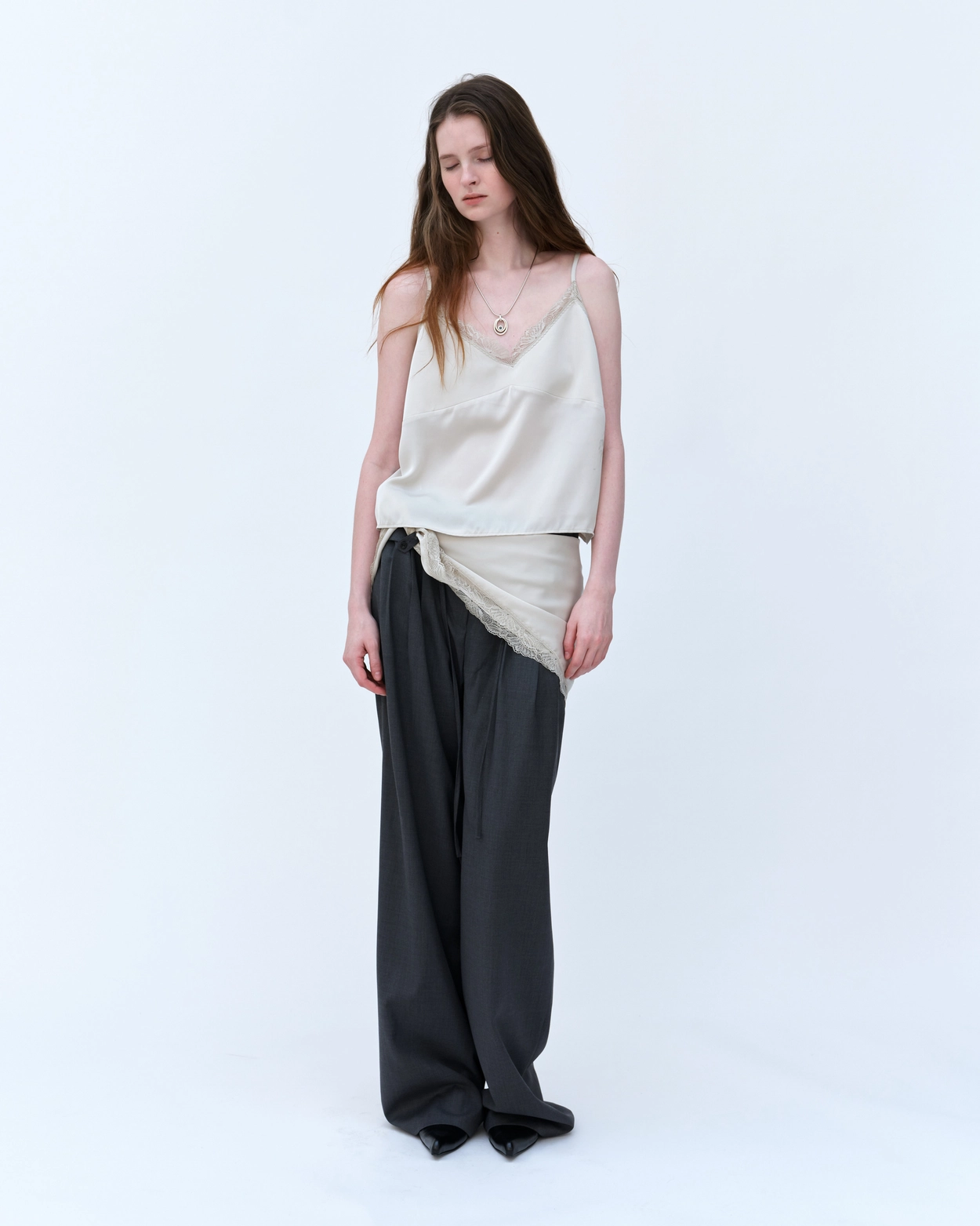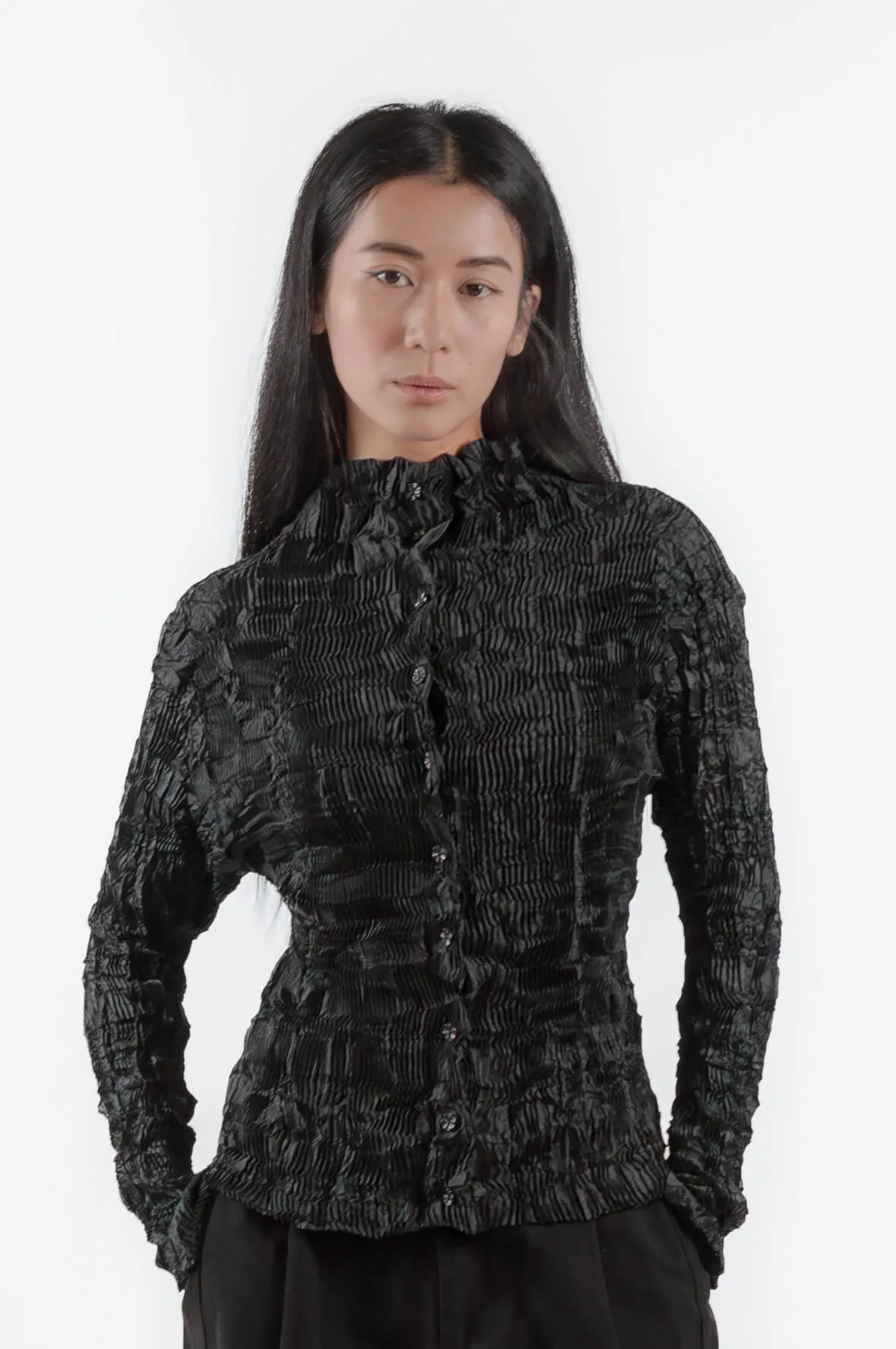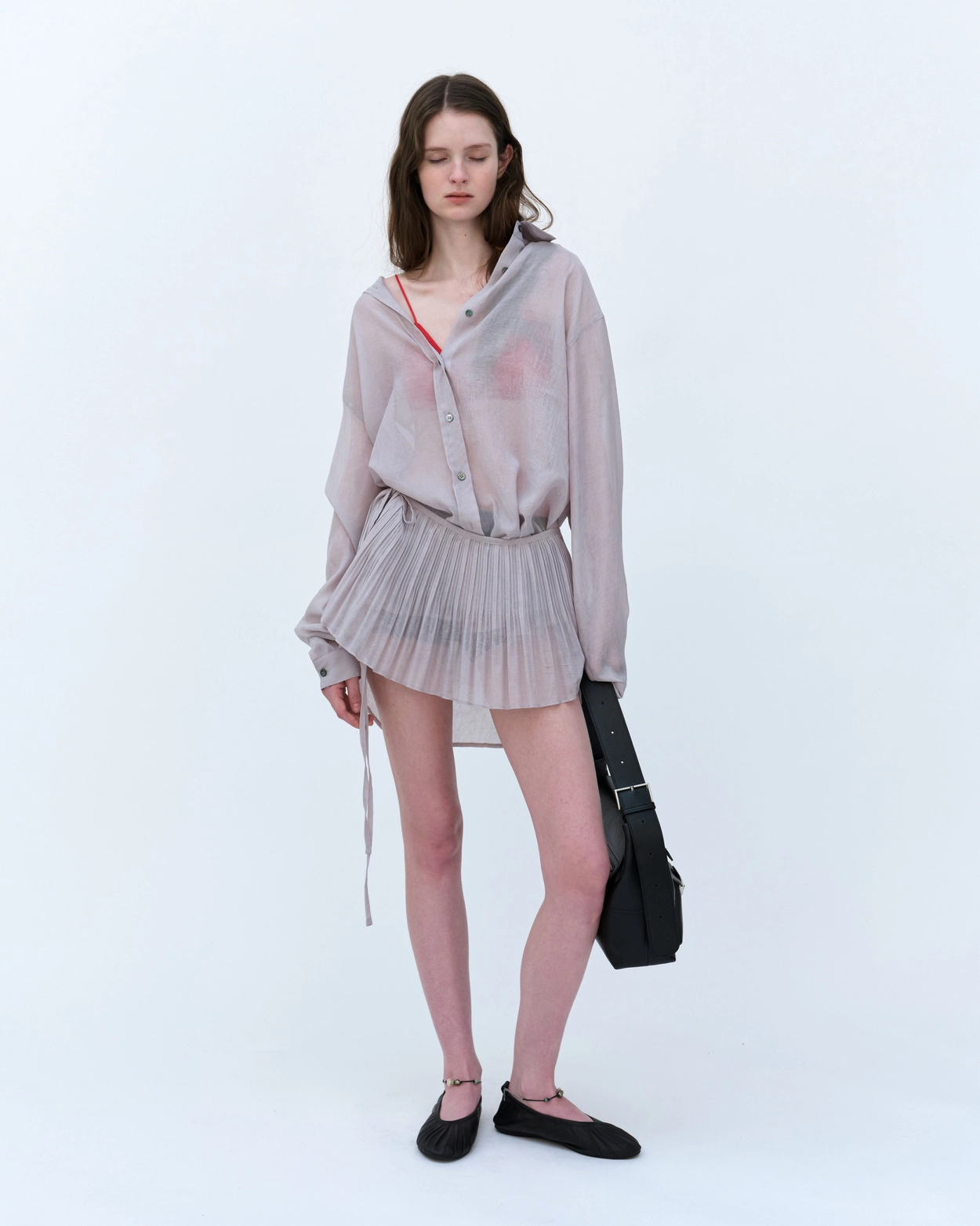


Where to Buy Japanese Minimalist Fashion in Europe
Japanese minimalist fashion has no obvious entry point in European retail. Department stores carry the accessible end of the market — Uniqlo's basics, the occasional Issey Miyake diffusion line. What they do not carry is the quieter, more considered work coming from independent Tokyo studios: labels producing small runs of precisely constructed garments in fabrics chosen for how they age, not how they photograph.
einHaru Collective curates a selection of this work for European buyers, shipping from Berlin with 14-day returns and no import duties.
Why Japanese Independent Fashion is Hard to Find in Europe
The distribution gap is structural. Most Japanese independent labels produce in small quantities, sell primarily through their own Tokyo stockists or webshops, and ship internationally only via services that attract import duties and return costs that make the economics difficult for European buyers.
The labels doing the most considered work — the ones producing outside trend cycles, in precise fabrics, for repeat rather than seasonal wear — are rarely the ones that reach European buyers through conventional channels.
We source directly and ship from Berlin, which means EU consumer law applies, returns are straightforward, and there are no customs surprises.
What Defines Japanese Minimalist Design
Japanese minimalist fashion is not simply clothing with less decoration. It is clothing in which every decision — cut, fabric weight, seam placement, hem finish — is made with attention to how the garment will behave over time.
The tradition draws from several distinct sources: the Ura-Harajuku movement of the 1990s that reframed workwear through a quieter lens, the ongoing influence of wabi-sabi in Japanese aesthetics, and a longstanding craft relationship with natural textiles — linen, cotton, wool, and their blends.
What results is clothing with a quality that is difficult to name and easy to recognise: garments that settle into wear, that hold their structure without stiffness, that look more considered after a season than when they were new.
The Difference Between Korean and Japanese Minimalism
Both traditions resist trend cycles. Both prioritise construction over decoration. Beyond that, they diverge.
Korean minimalist fashion tends toward precision: clean geometry, considered proportions, a relationship with tailoring that produces structured pieces for urban daily wear. It is clothing that holds its shape deliberately.
Japanese minimalism tends toward softness: fabric drape over cut structure, an interest in how a garment moves rather than how it sits, a preference for irregularity over symmetry. It is clothing that responds to the body rather than directing it.
Neither is better. They complement each other in a wardrobe. einHaru carries both.
What We Carry from Japanese Studios
Our Japanese edit includes pieces selected for the same criteria as our Korean curation: independent studios, small production runs, fabrics and construction chosen for longevity rather than novelty.
Current pieces include outerwear, tops, and layering pieces. Each product page includes garment measurements, fabric composition, and fit notes in English and German.
Sizing: Japanese Cuts for European Bodies
Japanese garments frequently use one-size or numeric sizing (36, 38, 40) that does not correspond directly to European S/M/L conventions. Many pieces are designed with an intentional ease that reads differently depending on body proportions.
Our approach: every product page includes a detailed measurement table with chest, waist, hip, length, and sleeve measurements in centimetres. We recommend comparing these against a garment you already own that fits well, rather than translating size labels.
Where a piece runs particularly small or large relative to its stated size, we note this directly on the product page.
Shipping Japanese Fashion to the EU
We ship to all EU member states from Berlin. Orders arrive in 3–7 working days with tracking. Shipping is free over €80 in Germany and across the EU.
All orders are covered by EU consumer protection law. Returns within 14 days of delivery, unworn, in original condition. No import duties — you are buying from within the EU.
Back to the Editorial hub.
einHaru Collective — Korean and Japanese minimalist fashion, curated in Berlin, shipped across Europe.